Discover Vital Tree Care Methods for Optimal Tree Care
Knowing how to care for trees is vital for ensuring ecological wellness. Key practices like pruning and mulching are extremely important in promoting tree vitality. In addition, the right way to water are crucial for developing strong roots. However, most people miss the indicators of tree illness and the value of professional arborists. Exploring these aspects can foster a greater respect for how to maintain trees. What measures can be adopted to make sure their trees flourish?
Grasping the Value of Healthy Trees
Knowing why tree health is crucial is vital, as trees play a significant role in keeping nature balanced and improving city settings. Healthy trees contribute to air quality, offer cooling shade, and support wildlife habitats. They also help mitigate environmental shifts by sequestering carbon dioxide, which makes them vital for environmental sustainability.
In urban settings, properly cared-for trees improve aesthetics, increase property values, and support public welfare. Their presence can reduce the urban heat effect in cities, which saves money on energy.
Failing to care for trees, on the other hand, can result in disease, bug invasions, and structural instability, presenting hazards to the trees and nearby structures alike. Therefore, identifying signs of a healthy tree, for example, leaf hue, how the tree is growing, and bark condition, is vital for effective management. In the end, caring for vibrant trees helps more than personal gardens but also the broader ecosystem, stressing the importance for proactive care and management practices.
Crucial Techniques for Cutting Branches

Pruning is an important practice in tree care that ensures optimal development and well-being, as it takes away unhealthy branches and improves air circulation within the canopy. Applying correct practices guarantees that trees can thrive in their environment.
An essential practice is "thinning," which means taking off certain branches to enhance light penetration and decrease stress on weaker parts. 'Tip pruning' is a common approach, where the terminal buds are removed to stimulate lateral branching, mainly in juvenile trees. Additionally, the 'crown reduction' method reduces the height and spread of a tree while preserving its inherent form.
Proper timing is crucial; pruning during the dormant season minimizes stress and optimizes healing. Pruning implements must be sharp and sterile to avoid damage and disease transmission. Grasping these critical pruning practices is necessary for all tree specialists aiming to maintain healthy and aesthetically pleasing trees.
Spotting Frequent Tree Illnesses
What helps tree owners spot the symptoms of frequent ailments that put their trees at risk? Knowing the particular signs is critical for prompt identification and treatment. Typical signs involve leaves that are yellowing or drooping, which may suggest fungal infections or nutrient deficiencies. Abnormal formations, for example, galls and cankers, may indicate insects are present or diseases that harm the tree's vitality. Furthermore, peeling bark or oozing sap may indicate infections that demand quick action.
Arborists should look for modifications to the tree's appearance, such as branches dying or leaves falling, suggesting a deeper, more serious issue. Monitoring for signs of insect infestations, such as holes in the bark or frass, is necessary too. By staying watchful and taking action, they can recognize these typical illnesses and get the right solutions, ensuring their trees remain healthy and vibrant all year long.
How Mulching Helps Trees
Mulching is a key technique in tree care, offering numerous benefits which encourage strong development and hardiness. This technique requires placing a covering of specific material types surrounding the trunk, helping to keep the soil damp, preventing weed growth, and moderating temperature fluctuations. This insulating layer not only reduces competition from invasive plants but also boosts the visual appeal of the landscape.
In addition, materials like wood chips, for example, bark or chips, decompose over time, providing essential nourishment and bettering its texture. This natural breakdown supports root development and creates a more robust setting for the tree. In addition, mulching can prevent the erosion of soil, which helps maintain the stability of the tree’s base. When applied correctly mulch should be spread in a circular pattern, avoiding direct contact with the trunk to stop decay. In summary, integrating mulch application into tree care routines considerably contributes to the sustained well-being of trees.
Proper Watering Practices for Trees
Effective tree care requires more than just mulching but also appropriate watering techniques to promote the best growth and health. Trees, especially those recently planted, require steady hydration to form solid root networks. It is vital to water deeply, as it helps roots push deeper where moisture is more consistent. Ideally, trees ought to get approximately an inch of water per week, be it from precipitation or extra irrigation.
Watering should be done during the early morning hours to cut down on documentation evaporation and fungal diseases. It is important to avoid overwatering, which can lead to root rot and related complications. The soil should be checked for moisture before watering; when the top two inches feel dry, it is time to provide water. Furthermore, using a soaker hose or drip irrigation delivers a gradual, continuous stream of water, making sure trees get enough water without the risk of runoff. Proper watering practices significantly aid to the overall health of trees.
Retaining Specialized Tree Care: When and Why
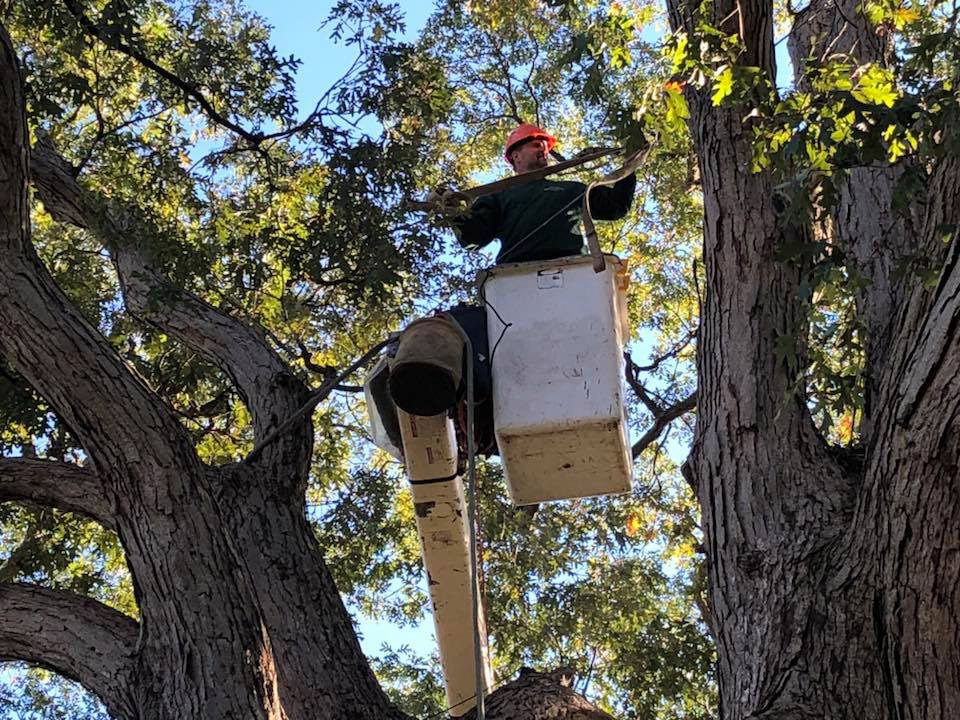
In evaluating the health and aesthetics of a property, engaging expert tree care can be crucial for homeowners with complicated tree maintenance requirements. Professional arborists possess the expertise to assess tree health, identify diseases, and implement effective treatments. Arborists are also aware of local regulations for removing trees and maintenance, ensuring adherence and avoiding potential fines
(Stillwater Tree Service)It is wise for homeowners to engage professionals when dealing with large trees, particularly those near structures or power lines, as incorrect care can lead to dangers. Additionally, trees requiring pruning for aesthetic or health reasons profit from the expertise of trained specialists who can perform careful trimming to stimulate new growth
Periodic maintenance, such as storm preparation and clearing debris, also warrant professional intervention to keep the property safe and appearance. In the end, hiring certified arborists makes certain trees get the best attention, thereby enhancing the entire outdoor space and home valuation
Frequently Asked Questions
How Do I Know if My Tree Is Receiving Too Much Water?
Symptoms of excessive watering are yellowing leaves, wilting despite moist soil, root rot, and significant defoliation. Additionally, the appearance of mushrooms around the base can signal slow soil percolation and waterlogged conditions.
When Should I Schedule for Tree Pruning?
The optimal period to prune trees is typically late winter to early spring before new growth begins - Stillwater Tree Service. Scheduling the work then supports healthy growth and minimizes stress on the tree, enabling rapid wound closure and maturation
Can Trees Recover From Severe Storm Damage?
It is possible for trees to bounce back after severe weather. With proper care, including the removal of injured parts and supplying necessary moisture and food, many trees can regain their health and continue to thrive following a stressful event.
What Should I Look For When Choosing the Right Mulch for My Trees?
In order to pick the best mulch, it is best to use organic options for example, bark nuggets or wood shavings, guarantee proper depth of 2-4 inches, and never stack mulch against the base to minimize fungal issues.
Do Certain Tree Species Need More Attention Than Others?
Some species, such as fruit trees and newly planted specimens, require greater attention because they react strongly to environmental shifts and unique feeding requirements. Regular monitoring and tailored maintenance practices are essential for their health and growth.